Best National Parks Guide Book: 7 Affordable Picks For USA Park Adventures
1. Moon USA National Parks: Comprehensive And Budget-Friendly
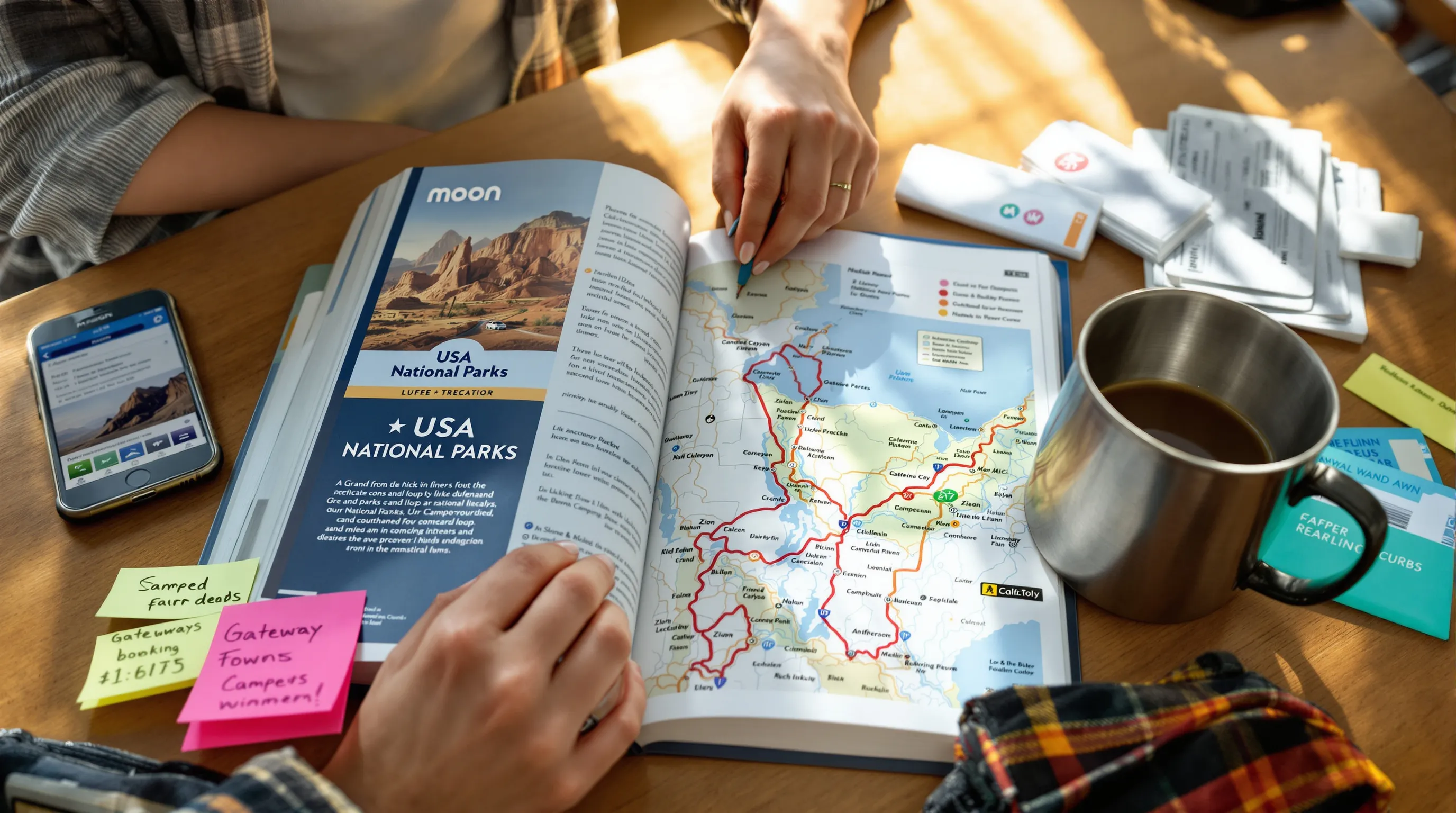
Moon USA National Parks is the most balanced pick for planners who want detail without the price tag. It covers all 63 parks with practical advice, understandable maps, and budget-minded tips that make it easy to build a smart, affordable itinerary.
Pros and cons:
Pros: Wide coverage: strong itineraries: solid lodging and camping tips: good value for money.
Cons: Photography is serviceable rather than wow: less background storytelling than Nat Geo.
Best For Budget Planners And First-Time Visitors
If you're planning your first national parks loop or trying to see multiple parks in one trip, Moon keeps things actionable. It outlines routes, time estimates, and cost-conscious options, useful for families and solo travelers watching their spend.
Example: Planning a Southwest swing (Grand Canyon, Zion, Bryce)? Moon's sample itineraries help you link parks logically, with notes on drive times and where to save on stays.
Maps, Itineraries, And Lodging Tips
Expect park-by-park highlights, clear maps, and realistic itineraries from day trips to week-long adventures. Lodging sections flag gateway towns, campground options, and booking windows, gold for peak-season planning. Bonus: Money-saving callouts help you prioritize what to book in advance and where to splurge vs. skip.
2. Lonely Planet USA’s National Parks: Snapshot Highlights For Fast Planning
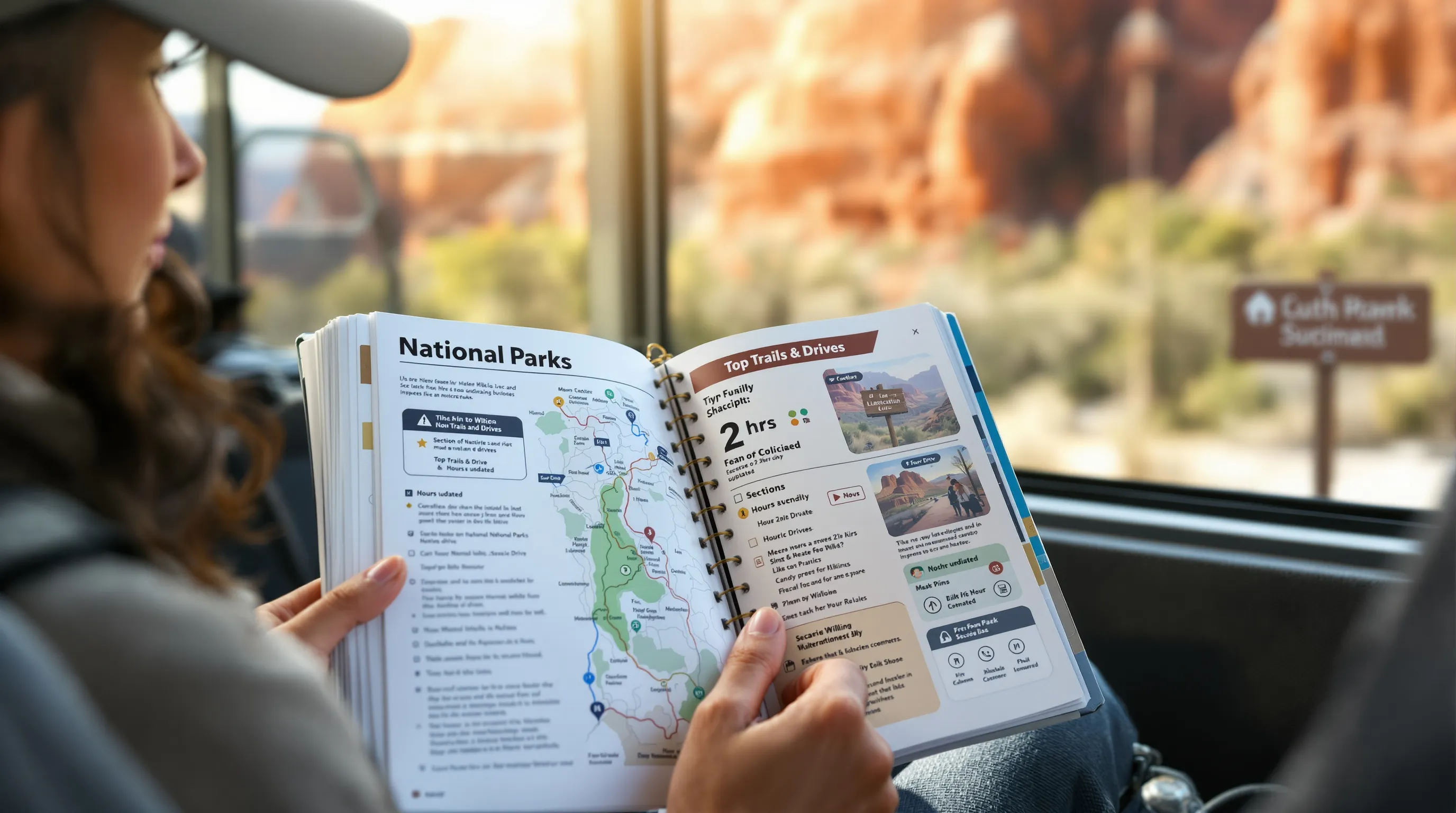
Lonely Planet's national parks guide is built for speed. It's a concise, modern snapshot of the top sights, with updated post-2020 details like park hours and practical tips. Ideal if you want the essentials, what to see, how long it takes, and where to base yourself, without deep dives.
Pros and cons:
Pros: Quick-hit highlights: easy to skim: current logistical info: good maps for orientation.
Cons: Less depth than Moon or Fodor's: earlier editions may not include New River Gorge, check the edition.
Highlights Vs. Deep Dives
This book excels at "greatest hits." If you love checklists and need a shortlist of top viewpoints, trails, and drives, Lonely Planet delivers. For more nuanced hiking beta or campground detail, pair it with park websites or a trail-specific guide.
Print And Digital Options For On-The-Go Use
It's available in print and e-book formats, which is perfect for travelers who plan on phones or tablets. Use the digital version to star pages and swipe through maps while you're on the shuttle to trailheads.
3. National Geographic Guide To National Parks Of The United States: Photography-Led Inspiration
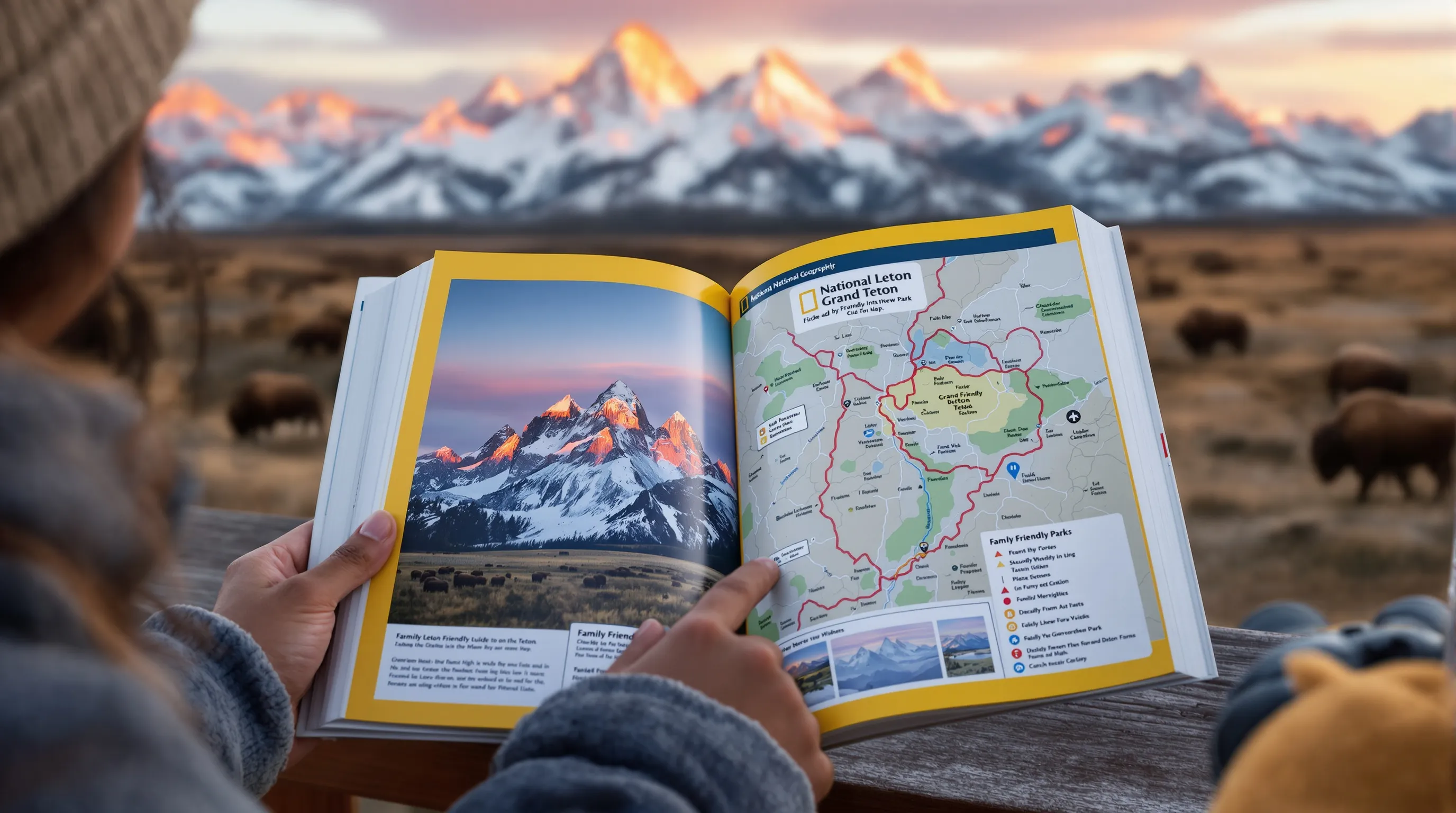
If visuals motivate your adventures, this is the coffee-table-worthy guide that still works in the field. National Geographic's book pairs 300+ photos with 80+ detailed maps, history notes, and thoughtful itineraries. It's equal parts inspiration and planning, especially strong for families and wildlife lovers.
Pros and cons:
Pros: Best-in-class photography: excellent cartography: clear itineraries: engaging context on geology, wildlife, and history.
Cons: Slightly heavier to pack: not as price-focused as Moon.
Exceptional Maps And Visuals
The maps are genuinely trip-shaping: scenic drives are clearly marked, key stops are labeled, and terrain context is easy to read. Use them to preview elevation changes and pick family-friendly alternatives.
Family-Friendly Highlights And Wildlife Notes
Expect practical guidance for ranger programs, best seasons for spotting wildlife, and kid-friendly viewpoints. For example, in Yellowstone and the Tetons, Nat Geo flags sunrise/sunset vantage points and safety basics around bison and bears, simple, actionable notes that prevent headaches.
4. Fodor’s The Complete Guide To The National Parks Of The USA: Practical Insider Advice

Fodor's leans on expert local insight to surface what's actually worth your time, top activities, can't-miss drives, and smart logistics across all 63 parks. It's a great pick for travelers who like a clear plan, with plenty of dining and lodging intel.
Pros and cons:
Pros: Strong practical advice: useful rankings and "musts": food and stay recommendations: money-saving pointers.
Cons: Fewer glossy visuals than DK or Nat Geo: some sections assume you'll pair with online research.
Planning Essentials And Money-Saving Tips
Fodor's stands out for prioritization. You'll find "best of" lists, time-boxed itineraries, and seasonal guidance, plus how to avoid crowds and cut costs (free viewpoints, off-peak windows, and when to pack lunch versus dine in-park).
Accessibility, Dining, And Lodging Guidance
Accessibility notes are woven throughout for trail surfaces, facilities, and shuttle access. Dining and lodging coverage extends to gateway towns, which is clutch when in-park options sell out months ahead.
5. DK Eyewitness National Parks Of The USA: Visual Walk-Throughs For First-Timers

DK Eyewitness brings its signature illustrated style to the parks, a visual-first approach that helps beginners picture the experience before they book. Expect cutaway maps, labeled photos, and clear layouts that make pre-trip planning feel intuitive and quick.
Pros and cons:
Pros: Highly visual: easy to skim: great for orientation: helpful for short attention spans or quick comparisons.
Cons: Less text depth than Moon or Fodor's: you may want a supplemental hiking source.
Illustrated Highlights And Cutaway Maps
DK's spreads show how famous viewpoints, visitor centers, and short trails fit together, great for first-timers figuring out park flow. It's especially useful for parks with multiple entrances or zones (think Zion's canyon vs. east side: Yosemite Valley vs. Glacier Point Road).
Budget-Smart Visual Planning And Quick Picks
If you're watching costs, DK helps you identify free viewpoints, short iconic walks, and shuttle-accessible sights, an easy way to craft a memorable day without pricey tours.
6. Frommer’s EasyGuide To National Parks Of The American West: Road-Trip Ready
Frommer's narrows the focus to Western parks and nails the road-trip experience. You get driving routes, scenic detours, and smart sequencing, exactly what you need for a multi-park loop in states like California, Utah, Arizona, and Wyoming.
Pros and cons:
Pros: Clear routes: practical drive times: seasonal intel: excellent for clustered parks in the West.
Cons: Not comprehensive for all 63 parks: less helpful for Midwest/East itineraries.
Itineraries, Driving Routes, And Seasonal Advice
The guide maps out how to link parks without backtracking, when to start early to beat traffic, and how closures (snow, wildfires) affect timing. It's a solid co-pilot for summer road trips and shoulder-season strategy.
Best For Families And Time-Crunched Travelers
Short on time? Frommer's trims the fluff and spotlights the most rewarding stops for a 1–3 day visit per park. Families will appreciate the straightforward schedules and suggestions for breaks, playgrounds, and picnic spots in gateway towns.
7. Falcon Guides’ Best Easy Day Hikes (Series): Targeted Trail Picks By Park
Falcon Guides zooms in on hiking, one park at a time. These slim, affordable paperbacks list easy-to-moderate trails with mileage, directions, elevation, and clear difficulty ratings, ideal when you want a dependable half-day hike without combing through forums.
Pros and cons:
Pros: Park-specific detail: straightforward trail descriptions: good maps for day hikes: lightweight and inexpensive.
Cons: Not a full travel guide: you'll need a general guide for lodging, dining, and broader planning.
Series Snapshot And Coverage
You'll find titles for most major parks (e.g., Best Easy Day Hikes Yosemite, Zion, Rocky Mountain). Each book curates top trails for casual hikers and families, think scenic 2–6 mile loops with rewarding overlooks and minimal navigation fuss.
Who Should Buy Individual Park Titles
Buy these when you have your destination locked and want reliable trail picks with zero guesswork. They pair perfectly with a broader guide like Moon or Lonely Planet for logistics.


Comments
Post a Comment